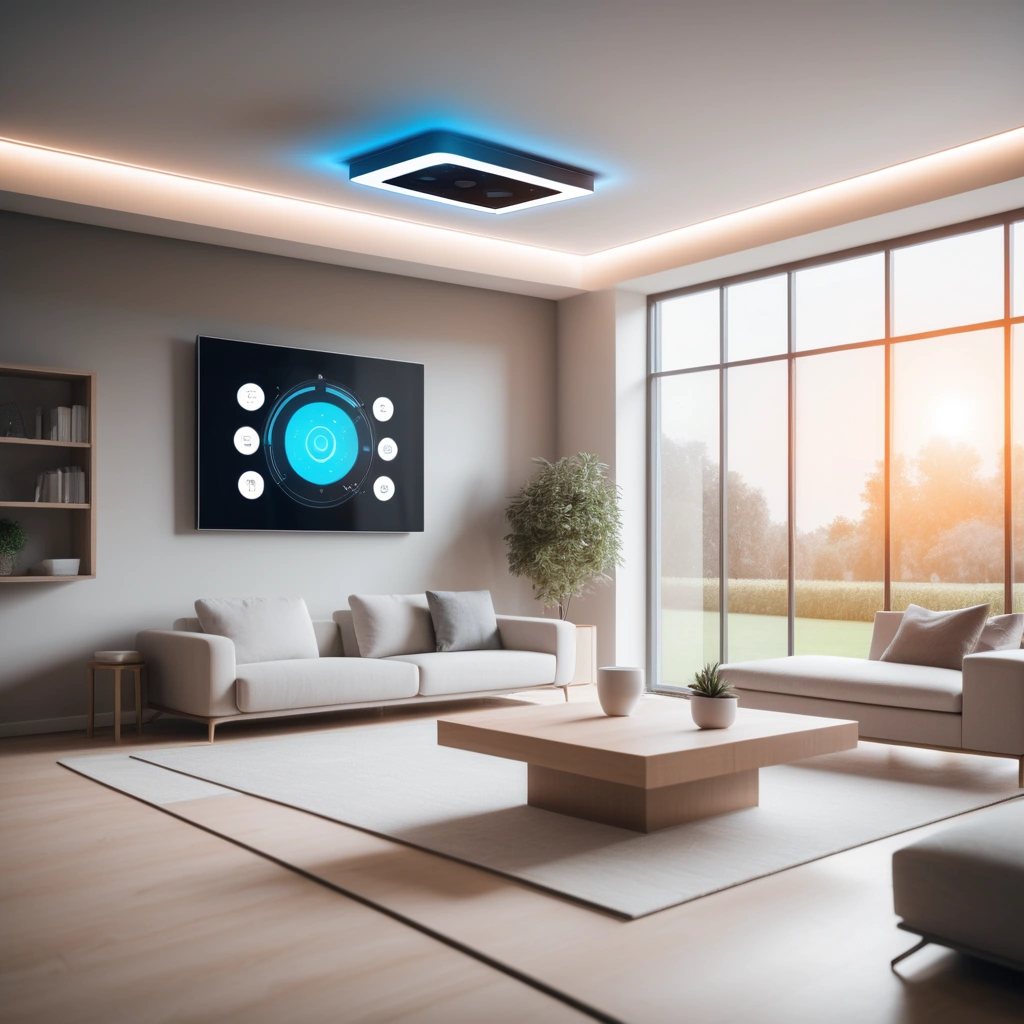
Smart Home Automation and AI for Better Living: The Complete Guide to Creating Your Intelligent Home in 2025
The way we live in our homes has transformed dramatically over the past few years, with artificial intelligence and smart home technology evolving from futuristic concepts into practical tools that genuinely improve daily life. What once required technical expertise and significant investment now sits within reach of average homeowners willing to start small and build gradually. Yet confusion persists about what smart home automation actually means, which devices truly add value versus which ones are expensive gimmicks, and how to begin creating an intelligent home that serves your specific lifestyle rather than overwhelming you with unnecessary complexity.
This comprehensive guide will help you understand the current landscape of smart home technology and artificial intelligence for home automation, explore which devices and systems provide the most meaningful improvements to comfort, convenience, security, and energy efficiency, and develop a practical roadmap for transforming your home into an intelligent space that anticipates your needs and simplifies your daily routines. Whether you’re completely new to smart home technology or looking to expand and optimize existing systems, you’ll gain knowledge to make informed decisions that enhance your quality of life without creating new frustrations.
The goal isn’t creating a home that’s smart for the sake of being smart, but rather leveraging technology to remove friction from daily tasks, improve comfort and security, reduce energy waste, and give you back time and mental energy currently spent on routine maintenance and management. By the end of this guide, you’ll understand which smart home investments deliver genuine value, how different systems work together to create seamless automation, and how to avoid common pitfalls that lead to abandoned devices collecting dust in closets.
Understanding Smart Home Technology and AI in Modern Homes
Smart home technology refers to internet-connected devices that can be monitored, controlled, and automated through smartphones, voice commands, or programmed schedules and triggers. These devices range from simple smart bulbs that you can turn on remotely to sophisticated systems that learn your preferences and adjust automatically without requiring constant input. The intelligence in smart homes comes from both the individual devices and the ecosystems that connect them, allowing different products to work together and respond to complex conditions.
Artificial intelligence in home automation takes smart homes beyond simple remote control or scheduled actions into territory where systems actually learn, predict, and adapt based on your patterns and preferences. AI-powered thermostats learn when you’re typically home and adjust temperatures automatically, smart speakers understand context and natural language rather than requiring exact command phrases, and security systems distinguish between family members, delivery people, and potential threats. This shift from programmed automation to intelligent adaptation represents the current frontier in home technology.
The smart home market has exploded with options from established technology giants, traditional appliance manufacturers entering the connected space, and countless startups promising revolutionary innovations. Major ecosystems from Amazon, Google, Apple, and Samsung compete for dominance while trying to maintain some compatibility with third-party devices. This competition benefits consumers through falling prices and improving technology, but it also creates confusion about which ecosystem to commit to and whether devices from different manufacturers will work together smoothly.
Understanding the difference between smart devices, smart home hubs, and automation platforms helps you make sense of the landscape. Smart devices are individual products like thermostats, lights, locks, or cameras that connect to your home network. Smart home hubs are central controllers that manage multiple devices and allow them to work together, with popular options including Amazon Echo, Google Nest Hub, Apple HomePod, and dedicated hubs like Samsung SmartThings. Automation platforms are software systems that create rules and triggers allowing devices to respond to conditions rather than just manual commands, with sophisticated options including Home Assistant, Hubitat, and manufacturer-specific apps.
The value of smart home technology comes not from having the most devices but from thoughtful integration that genuinely improves your daily experience. A few well-chosen smart devices working together can dramatically enhance convenience and comfort, while dozens of poorly integrated gadgets create complexity without corresponding benefits. The key is starting with clear goals about what you want to improve in your home and selecting technology that directly addresses those specific needs rather than buying devices because they seem cool or futuristic.
Starting Your Smart Home Journey with High-Impact Essentials
Beginning your smart home transformation requires selecting devices that deliver substantial benefits relative to their cost and complexity, creating positive experiences that motivate further expansion rather than frustration that makes you give up on home automation entirely. Certain categories of smart devices provide such clear advantages that they make excellent starting points for almost everyone.
Smart lighting represents the most accessible entry into home automation, with smart bulbs and switches offering immediate benefits at reasonable prices with minimal technical complexity. Smart bulbs screw into existing fixtures and connect to your home network, allowing control through apps or voice commands without requiring any wiring changes or professional installation. You can adjust brightness and color temperature throughout the day, automatically turning lights warmer and dimmer in the evening to support better sleep, and brighter and cooler during work hours to maintain alertness. The ability to create lighting scenes for different activities, control lights remotely when traveling to simulate occupancy for security, and set schedules so lights automatically adjust without daily input provides convenience that quickly becomes indispensable.
Smart switches offer more permanent solutions than bulbs, controlling all lights connected to a switch and working with regular bulbs rather than requiring smart bulbs throughout your home. While installation requires basic electrical work or hiring an electrician, smart switches often provide better value for rooms with multiple bulbs where buying individual smart bulbs becomes expensive. Motion sensors can trigger lights automatically when you enter rooms, eliminating the need to fumble for switches in the dark and ensuring lights turn off when rooms are unoccupied to save energy.
Smart thermostats deliver among the highest returns on investment of any smart home device through energy savings, improved comfort, and convenience. Modern smart thermostats like Nest, Ecobee, and Honeywell models learn your schedule and preferences, automatically adjusting temperatures when you’re home, away, or sleeping without requiring manual programming. They can detect when you’re away using geofencing based on your phone’s location and adjust accordingly, preventing energy waste from heating or cooling an empty house. Remote control lets you adjust temperature from anywhere, useful for returning home early or staying away longer than expected. The detailed energy reports most smart thermostats provide help you understand your heating and cooling patterns and identify opportunities for additional savings.
The energy savings smart thermostats provide typically pay for the device within one to two years, after which the savings represent pure benefit. Beyond economics, the comfort of always walking into a home at your preferred temperature without having to think about adjusting settings manually or programming complex schedules delivers quality of life improvements that make smart thermostats among the most universally appreciated smart home devices. Many utility companies offer rebates on smart thermostats, reducing the upfront investment even further.
Smart speakers and displays serve as voice-controlled interfaces for your smart home while providing countless other functions. Amazon Echo devices with Alexa, Google Nest speakers with Google Assistant, and Apple HomePod with Siri allow hands-free control of compatible smart devices through natural language commands. Beyond home control, smart speakers play music, answer questions, set timers and reminders, provide weather forecasts, and integrate with thousands of services and skills. Smart displays add screens for visual information, video calling, recipe following while cooking, and security camera viewing.
The voice control aspect of smart speakers eliminates friction from operating smart devices, making home automation accessible even to family members who resist using phone apps or learning new interfaces. Saying “turn off the lights” while already in bed beats opening an app, and asking about tomorrow’s weather while getting dressed saves time compared to checking your phone. The key is starting with one or two speakers in frequently used spaces rather than immediately outfitting your entire home, allowing you to develop useful habits before expanding.
Smart locks transform home security and convenience by eliminating the need to carry and keep track of keys while providing detailed knowledge of who enters your home and when. Smart locks install on standard doors, typically replacing just the interior portion of your existing deadbolt while keeping the same exterior appearance and key cylinder. They allow entry through several methods including smartphone apps, number pad codes, voice commands, and in many cases still traditional keys as backup. You can create temporary codes for guests, service people, or rental guests that expire automatically, eliminating the need to make and collect physical keys.
The security benefits extend beyond the lock itself through features like activity logs showing when the door was locked or unlocked and by whom, automatic locking after a specified time to ensure you never accidentally leave doors unlocked, and smartphone notifications when doors open unexpectedly. Remote locking capability provides peace of mind when you’re away and can’t remember whether you locked up, and integration with other smart devices enables automation like lights turning on automatically when you unlock your door arriving home after dark.
Smart plugs provide the simplest way to add smart control to existing devices, converting regular appliances and electronics into smart devices without replacing them. Smart plugs insert between outlets and device plugs, allowing you to turn connected devices on or off remotely or on schedules. This works beautifully for lamps, fans, coffee makers, space heaters, and any other device where simple on-off control provides value. During holiday seasons, smart plugs eliminate the daily task of manually operating decorative lighting, and they can make it appear someone is home when traveling by turning lamps on and off on realistic schedules.
Energy monitoring smart plugs track how much electricity connected devices consume, helping you identify energy hogs and make informed decisions about usage. The ability to ensure curling irons, space heaters, or other potentially dangerous devices are definitely turned off even when you’re away from home provides valuable peace of mind. Smart plugs cost so little, often fifteen to twenty dollars for quality models, that experimenting with several different locations and uses creates minimal financial risk while helping you discover which applications provide the most value in your specific situation.
Creating Intelligent Automation and Scenes for Seamless Living
The true power of smart home technology emerges when devices work together automatically based on your routines and preferences rather than requiring constant manual control. Moving beyond simple voice commands or app-based operation into genuine automation eliminates friction from daily life and creates a home that anticipates your needs.
Morning routines become effortless through automated sequences triggered by time, sunrise, or your first movement detected by sensors. A comprehensive morning routine might begin thirty minutes before your alarm, gradually bringing bedroom lights from off to very dim warm light, then slowly increasing brightness over the next half hour simulating natural sunrise. When you actually wake and disable your alarm, this triggers lights in the bathroom and hallway to turn on, the thermostat to shift from night setback to comfortable daytime temperature, the coffee maker to start brewing, and your smart speaker to provide a brief weather forecast and your first calendar appointments for the day. This sequence happens automatically every weekday without requiring you to program it daily or manually operate each device.
Evening routines provide similar benefits with reverse logic, helping you wind down and prepare for rest. As sunset approaches, lights throughout your home automatically shift from bright cool white to warmer dimmer tones supporting your body’s natural circadian rhythm. At your specified bedtime, lights in main living areas dim as a reminder while bedroom lights brighten slightly for preparing for bed. When you finally say goodnight to your smart speaker or turn off the last light, this triggers a comprehensive shutdown sequence ensuring all doors are locked, garage doors closed, thermostat set to night temperatures, unnecessary lights off, and security system armed.
Arrival and departure automation uses geofencing based on your smartphone location to trigger actions as you leave or arrive home. When the last family member’s phone exits your home geofence, perhaps a half-mile radius, the system can automatically adjust the thermostat to energy-saving temperatures, turn off unnecessary lights, and arm security systems. As you approach home, the reverse occurs with thermostat resuming comfortable settings before you arrive, garage door opening as you pull in the driveway, and entry lighting turning on so you enter a welcoming illuminated home rather than searching for light switches with arms full of groceries.
Presence detection throughout your home using motion sensors creates responsive environments that light your path automatically and conserve energy by ensuring lights turn off in unoccupied spaces. Walking through your home at night triggers gentle dim lighting along your path to the bathroom or kitchen without requiring switches or voice commands that might wake others. During the day, lights automatically turn on as you enter rooms and off shortly after you leave, eliminating the mental load of remembering to operate lights while ensuring energy isn’t wasted illuminating empty spaces.
Scene creation allows you to configure multiple devices to specific states with a single command or trigger. A movie scene might dim living room lights, close smart blinds, and turn on accent lighting behind your television, all triggered by saying “movie time” or starting your streaming service. A dinner party scene could set dining room lights to warm flattering levels, turn on background music at conversation-appropriate volume, and adjust thermostat to account for additional body heat from guests. A focus scene for working from home might bring office lights to bright cool white, turn on a white noise machine, and disable smart speaker notifications during designated work hours.
Conditional automation creates more sophisticated behaviors by triggering actions only when multiple conditions are met. Your air conditioner might turn on automatically, but only if temperature exceeds a threshold, someone is home based on phone presence, and it’s not during expensive peak electricity hours. Outdoor lights could turn on at sunset, but only if home security cameras detect motion, and only to moderate brightness if family phones indicate someone is home versus full brightness if the house appears unoccupied. These conditional rules prevent automation from becoming annoying through inappropriate triggers while making systems genuinely responsive to circumstances.
Voice-activated scenes provide the simplest way to execute complex routines, with simple phrases triggering multiple actions. Saying goodnight executes your entire bedtime sequence, arriving home triggers welcome automation, and custom phrases for specific needs like “I’m leaving for work” or “guests arriving” adjust your home appropriately. The key is creating scenes and routines that genuinely match your lifestyle and gradually refining them based on what works and what becomes annoying, rather than creating overly complex automation that requires constant adjustment and never quite works right.
Smart Security Systems and AI-Powered Monitoring
Home security represents one of the most impactful applications of smart home technology, with modern systems providing capabilities that traditional security solutions couldn’t match at any price point. The integration of artificial intelligence into security monitoring has transformed basic motion detection into sophisticated systems that understand context and distinguish between normal activity and potential threats.
Smart security cameras have evolved far beyond simple video recording to become intelligent monitoring systems that analyze what they see and alert you only to relevant events. Modern cameras use artificial intelligence to distinguish between people, animals, vehicles, and general motion, dramatically reducing false alarms from tree branches, wandering pets, or passing cars. Person detection focuses alerts on human presence, while package detection notifies you when deliveries arrive so you can retrieve them promptly rather than leaving them vulnerable to theft. Facial recognition in higher-end systems can identify family members versus strangers, sending different types of alerts based on who approaches your home.
Activity zones allow you to define areas within the camera’s view where motion should or shouldn’t trigger alerts, preventing notifications from sidewalk foot traffic while ensuring you’re notified about anyone approaching your door or entering your driveway. Cloud storage or local storage options preserve video for review if incidents occur, with AI-enhanced search allowing you to quickly find specific events like “show me all times a person was detected at the front door yesterday” rather than manually reviewing hours of footage.
Video doorbells combine cameras with two-way audio and smart notifications, allowing you to see and speak with whoever is at your door whether you’re home or away. This enables you to provide delivery instructions, screen visitors before opening doors, or speak with arriving guests while you finish preparing. The mere presence of a visible doorbell camera deters package theft and provides valuable evidence if theft occurs despite the deterrent. Integration with smart locks allows you to remotely unlock doors for expected visitors when you can’t reach the door personally.
Smart alarm systems provide professional-grade security without monthly monitoring fees, though monitoring remains available if you want it. DIY systems like SimpliSafe, Ring Alarm, and Abode install without professional help, with sensors on doors and windows detecting unwanted entry and triggering loud alarms and smartphone notifications. The elimination of mandatory monitoring contracts makes professional security accessible to more people, though many still choose optional monitoring for the added assurance of someone responding to alarms even if you’re unable to.
AI-enhanced monitoring learns normal patterns in your home and alerts you to anomalies rather than just specific trigger events. Systems can recognize that interior motion during work hours is unusual and send notifications, even though the same motion in the evening would be completely normal. Integration with other smart devices enables automated responses to security events, like all lights turning on and cameras starting recording when alarm sensors trigger, making homes less appealing to intruders while providing better documentation if break-ins occur.
Smart smoke and carbon monoxide detectors provide safety monitoring beyond security against human threats. Connected detectors like Nest Protect not only sound local alarms but send smartphone notifications wherever you are, allowing you to call emergency services even when you’re away from home. They can distinguish between smoke from cooking and actual fire, providing early voice warnings for minor smoke before triggering full alarms for actual emergencies. The ability to silence false alarms from your phone rather than climbing on chairs to reach ceiling-mounted detectors makes these devices more tolerable while maintaining critical safety functions.
Water leak sensors provide early warning of plumbing failures before minor leaks become catastrophic flooding. Small sensors placed near water heaters, under sinks, behind washing machines, and in basements alert you the moment moisture is detected, allowing you to shut off water and address problems before extensive damage occurs. Smart water shut-off valves take this further by automatically stopping water flow throughout your home when major leaks are detected, preventing thousands in damage during the critical minutes or hours before you can respond personally.
Outdoor smart lighting with motion detection provides security benefits alongside convenience, illuminating approaches to your home when people approach while conserving energy when areas are unoccupied. Bright sudden illumination when motion is detected near doors and windows deters potential intruders who prefer to operate in darkness. Integration with security cameras can trigger recording when outdoor lights detect motion, capturing video evidence of approaching people before they reach doors or windows.
Energy Efficiency and Environmental Control Through Smart Systems
Beyond convenience and security, smart home technology delivers substantial financial returns through reduced energy consumption and optimized resource use. The environmental benefits of decreased energy waste align personal finances with sustainability goals, making smart home technology appealing to both budget-conscious and environmentally aware homeowners.
Smart thermostats have already been mentioned, but their energy savings deserve emphasis as the single most impactful smart home investment for most households. The average smart thermostat saves ten to twenty-three percent on heating and cooling costs according to various studies, with actual savings varying based on climate, previous thermostat habits, and home insulation quality. In a household spending one thousand dollars annually on heating and cooling, this represents one hundred to two hundred thirty dollars in annual savings, allowing the thermostat to pay for itself within one to two years and deliver pure savings thereafter.
The savings come from multiple mechanisms beyond just better temperature management. Smart thermostats adapt to weather forecasts, pre-cooling homes before heat waves or pre-heating before cold snaps to minimize operation during peak temperature extremes. They learn how long your home takes to reach target temperatures and begin heating or cooling at optimal times rather than running continuously. They provide detailed reports showing how much energy you’re using and suggesting additional optimization opportunities. Many models include features like eco mode that prioritizes energy savings while maintaining acceptable comfort, and home-away assist that automatically adjusts when it detects an empty house.
Smart lighting automation reduces electricity waste through automatic operation and energy-efficient LED technology. While individual light bulbs don’t consume tremendous energy, the combination of ensuring lights turn off in unoccupied rooms and transitioning to efficient smart LED bulbs creates measurable savings. Smart lighting systems track energy consumption and can shift to even lower power levels when full brightness isn’t needed, like running hallway lights at twenty percent overnight for safety while minimizing energy use.
Motion-activated lighting specifically targets wasted energy from lights left on in basements, garages, closets, and other intermittently used spaces. These lights turn on automatically when needed and off shortly after areas become unoccupied, eliminating the most common source of lighting waste. The convenience of never entering dark spaces fumbling for switches provides quality of life improvement alongside the energy savings.
Smart power strips and plugs eliminate phantom power draw from devices consuming electricity even when supposedly off. Many electronics continue drawing power in standby mode, and while individual devices consume little, the cumulative effect across all electronics in your home can represent five to ten percent of your electricity use. Smart plugs can completely cut power to devices during extended periods when they won’t be used, like turning off entertainment systems overnight or cutting power to device chargers once charging completes.
Smart window treatments optimize natural heating and cooling by automatically adjusting based on time of day, season, and weather conditions. During winter, smart blinds can open on sunny mornings to allow passive solar heating, then close as the sun moves to reduce heat loss through windows. Summer brings reverse behavior with blinds closing during hot afternoons to block heat gain and opening during cooler evenings to naturally ventilate with outside air. Integration with thermostats allows blinds to assist with temperature management, reducing how hard heating and cooling systems must work.
Whole-home energy monitoring systems like Sense or Emporia provide detailed insights into electricity consumption across your entire home, identifying which appliances and systems consume the most energy and suggesting optimization opportunities. These systems can detect unusual consumption patterns indicating failing appliances or wasted energy and help you understand the financial and environmental impact of different usage behaviors. The awareness these systems create often leads to changed habits that reduce consumption even beyond smart automation.
Smart irrigation systems optimize outdoor water usage by adjusting watering schedules based on weather forecasts, soil moisture sensors, and plant types. Systems like Rachio or RainMachine prevent watering before rain, adjust watering amounts based on temperature and humidity, and ensure different zones receive appropriate amounts based on sun exposure and plant water needs. The water and financial savings can be substantial, with smart irrigation systems reducing outdoor water consumption by twenty to fifty percent in many cases while actually improving landscape health through optimized watering.
Smart appliances including refrigerators, washing machines, and dryers increasingly include energy optimization features. Smart refrigerators adjust cooling intensity based on how frequently doors open and ambient temperature, while smart washers and dryers can run during off-peak electricity hours when rates are lower and grid demand is reduced. While replacing working appliances solely for smart features rarely makes economic sense, including these considerations when appliances need replacement anyway creates long-term efficiency benefits.
Voice Assistants and AI Agents as Home Management Interfaces
Voice assistants have evolved from simple command responders into increasingly sophisticated AI agents capable of understanding context, managing complex routines, and proactively offering assistance. These virtual assistants serve as the primary interface between humans and smart homes for many people, making technology accessible even to those uncomfortable with apps and configuration screens.
Amazon Alexa dominates the smart home voice assistant market through extensive device compatibility, robust skill ecosystem, and competitive pricing on Echo devices. Alexa understands natural language with increasing sophistication, handling requests like “make it warmer in here” without requiring exact command syntax. The routine builder allows you to create complex automation triggered by single phrases, times, or device states, and Alexa can now predict what you might want based on patterns and proactively suggest actions.
Alexa’s strengths include the broadest device compatibility with virtually every major smart home manufacturer supporting Alexa control, extensive third-party skills allowing integration with services from meditation apps to recipe databases, and multiple device options at various price points from compact Dots to premium Studio speakers to displays ranging from small bedside screens to wall-mounted panels. The shopping integration with Amazon makes voice ordering convenient if you want it, though this can be disabled if it concerns you.
Google Assistant offers superior natural language processing and knowledge base due to leveraging Google’s search capabilities, making it excel at answering questions beyond just home control. Google Home devices integrate tightly with Google services like Calendar, Gmail, Maps, and Photos, providing useful information synthesis like “when is my next appointment” or “show me photos from last summer” on display devices. The routines feature allows complex automation, and integration with Android phones makes Google Assistant accessible even without dedicated smart speakers.
Google’s strengths include the best voice recognition and natural language understanding, superior general knowledge for answering questions, tight integration with Google’s ecosystem if you already use those services, and YouTube Music integration providing vast music selection. However, Google supports fewer third-party smart home devices than Alexa, and privacy concerns about Google’s data collection bother some users more than Amazon’s equivalent data gathering.
Apple HomeKit with Siri focuses on privacy and security, with all data processing happening on-device rather than in the cloud, and no creation of user profiles based on voice data. HomeKit’s stringent security requirements mean fewer compatible devices than Alexa or Google, but those that qualify meet higher privacy and security standards. Integration throughout the Apple ecosystem means iPhones, iPads, Macs, and HomePod all work as HomeKit controllers, and automation runs locally on home hubs without requiring internet connectivity.
Apple’s strengths include the strongest privacy protections with no cloud processing of voice data, excellent integration for existing Apple ecosystem users, and focus on security with HomeKit requiring device manufacturers to meet specific standards. The limitations include fewer compatible devices due to stricter requirements, higher prices for HomePod speakers compared to Echo or Google devices, and Siri’s occasionally frustrating limitations compared to Alexa or Google Assistant in understanding natural language and complex requests.
The emerging concept of AI agents represents the next evolution beyond today’s voice assistants, with systems that don’t just respond to commands but proactively manage aspects of your home and life. While still in early stages, AI agents are beginning to monitor routines and suggest optimizations, predict needs and prepare accordingly, coordinate between multiple systems without explicit programming, and learn individual preferences through observation rather than manual configuration.
Current examples of AI agent behavior include thermostats learning your preferred temperatures in different situations and adjusting automatically, security systems recognizing normal patterns and alerting only to anomalies, and smart speakers suggesting routines based on observed behaviors like “I notice you usually play music after dinner, would you like me to start doing that automatically?” As AI capabilities advance, expect more sophisticated agent behavior that feels less like operating technology and more like having an invisible assistant managing details so you can focus on what matters.
The privacy and data considerations with AI agents require thoughtfulness, as sophisticated personalization requires collecting and analyzing significant behavioral data. Understanding what data your devices collect, how it’s stored and processed, who has access to it, and how to delete it if you choose allows informed decisions about which trade-offs between convenience and privacy you’re comfortable making. Reading privacy policies and adjusting settings to limit data collection provides some control, though the most privacy-protective option is simply not using AI features that require behavioral monitoring.
Building Your Smart Home Ecosystem Step by Step
Creating an effective smart home shouldn’t mean buying dozens of devices simultaneously and spending weeks learning complex configuration systems. A gradual approach allows you to learn what works, develop useful habits, and expand thoughtfully rather than becoming overwhelmed and frustrated.
Start by identifying your highest priorities among convenience, security, energy efficiency, or entertainment. This focus prevents you from trying to do everything at once and ensures your first investments address needs that matter most to you personally. Someone primarily concerned with security will make different initial purchases than someone focused on energy savings or someone who just wants easier everyday convenience.
Choose a primary ecosystem before making significant purchases, as committing to Amazon Alexa, Google Home, or Apple HomeKit early allows you to build a coherent system rather than accumulating incompatible devices. While many devices work with multiple ecosystems, some features only work fully within single ecosystems, and the voice assistant experience is most seamless when everything coordinates through one primary system. You can always add secondary ecosystems later, but starting with a clear primary choice simplifies early experiences.
Begin with one or two high-impact devices in the categories that match your priorities. Someone focused on convenience might start with a smart speaker and smart lighting in their most-used rooms. Security-focused individuals might begin with smart locks and a video doorbell. Energy-conscious homeowners often start with smart thermostats and power monitoring. These initial devices should provide clear benefits that you notice immediately and appreciate daily, creating positive momentum for further expansion.
Live with your initial devices for several weeks or months before expanding, learning how they work, developing useful habits, and identifying what you wish they could do better. This patience prevents accumulating devices that seemed like good ideas but don’t fit your actual lifestyle. You’ll discover which features you use constantly and which ones you thought you’d want but actually ignore, informing better purchasing decisions going forward.
Add devices incrementally to expand capability and cover more of your home. After mastering basic voice-controlled lighting, you might add motion sensors for automatic operation. Once comfortable with video doorbells, you might add exterior cameras for comprehensive security monitoring. This gradual expansion feels manageable and allows you to integrate each new device fully before adding more complexity.
Experiment with automation as you add devices, starting simple and becoming more sophisticated as you learn the capabilities and limitations. Early automation might just be scheduled lighting or thermostat adjustments at set times. As you gain experience, you’ll create more complex routines combining multiple devices and conditional logic. This progression feels natural rather than overwhelming, and you’ll discover creative automation possibilities you wouldn’t have imagined when starting.
Document your setup as you build it, noting which devices you own, where they’re located, what they connect to, and how you’ve configured them. This documentation proves invaluable when troubleshooting issues, adding new devices, or helping family members understand how systems work. Simple notes on your phone or spreadsheet tracking devices, purchase dates, and configuration details saves hours of frustration later when you can’t remember how you set something up months ago.
Budget for ongoing costs beyond initial device purchases, including potential subscription fees for cloud storage, premium features, or professional monitoring. Some smart home features work fully with one-time hardware purchases, while others require subscriptions for full functionality. Understanding the total cost of ownership prevents surprise bills and helps you evaluate whether convenience justifies ongoing expenses.
Common Mistakes and How to Avoid Them
Smart home technology is still maturing, and even experienced users make mistakes that waste money, create frustration, or leave them with systems that don’t work as imagined. Learning from common pitfalls helps you avoid the most frequent problems.
Buying too many devices too quickly creates overwhelming complexity that prevents you from learning systems thoroughly or developing useful habits. The excitement of smart home possibilities tempts people to order everything that sounds interesting, but this approach consistently leads to partially configured devices, forgotten automation attempts, and ultimate abandonment of systems that could have worked well with gradual implementation. Start small, master basics, and expand methodically.
Ignoring ecosystem compatibility leads to collections of devices that can’t work together effectively or require multiple apps and voice commands to control. Before purchasing, verify that devices work with your chosen ecosystem and understand any limitations. Some devices technically work with multiple systems but have reduced functionality outside their native ecosystem. The frustration of wanting to create automation combining devices that can’t communicate often means replacing devices or accepting limitations.
Neglecting network infrastructure creates performance problems that undermine smart home reliability. Smart devices need strong wifi signals throughout your home, and many homes have coverage gaps in basements, garages, or distant rooms. Investing in mesh wifi systems or range extenders before loading your network with smart devices prevents the frustration of devices constantly disconnecting or responding slowly. A forty dollar range extender can transform your smart home experience more than two hundred dollars in additional smart devices.
Skipping security basics exposes your home network and connected devices to potential hacking or misuse. Change default passwords on all devices, enable two-factor authentication on accounts, keep firmware updated, and isolate smart devices on separate network segments from computers and phones if possible. The convenience of smart homes shouldn’t come at the cost of vulnerability to security breaches that could compromise privacy or safety.
Creating overly complex automation that requires constant adjustment wastes time and ultimately fails. Simple automation that works reliably provides more value than sophisticated systems that need constant tweaking. Start with straightforward rules and triggers, letting them run for extended periods before deciding whether additional complexity would help. Many people find that the automation they created in their first enthusiastic month of smart home ownership gets completely rebuilt six months later after they’ve learned what actually matters versus what sounded cool initially.
Forgetting about other household members creates systems that work great for the person who set them up but frustrate everyone else. Make sure automation doesn’t interfere with others’ routines, teach family members basic voice commands and manual overrides, and get input about what automation would actually help versus annoy. The smart home enthusiast who automates lighting perfectly for their schedule but leaves their partner stumbling in darkness creates conflict rather than improving life.
Buying cheap incompatible devices to save money often costs more in the long run when devices break quickly, don’t integrate properly, or require replacement with quality alternatives. While you don’t need the most expensive premium devices, staying with reputable brands and avoiding unknown manufacturers saves frustration. A twenty-five dollar smart plug from a known brand outperforms a ten-dollar plug from an unknown company that might stop working after two months.
Expecting instant perfection leads to frustration when reality includes learning curves, occasional glitches, and the need for adjustment. Smart home technology works remarkably well, but it’s not perfect, and achieving seamless operation requires patience and willingness to troubleshoot occasional issues. The reward for this investment is a home that genuinely makes daily life easier, but getting there takes some effort.
Your Path to an Intelligent, Responsive Home
Creating a smart home that genuinely improves your quality of life requires balancing enthusiasm for technology with practical implementation focused on your specific needs and lifestyle. The best smart home is one you use consistently because it removes friction from daily life, not one that impresses visitors with how many gadgets you own or how complex your automation has become.
Begin tomorrow by identifying one or two aspects of your daily routine that feel unnecessarily tedious or that you frequently forget to do. Maybe you wish lights turned on automatically when you arrive home after dark, or you want to ensure your home is always at comfortable temperature without thinking about thermostat adjustments, or you’re concerned about home security while traveling. These pain points guide your first device selections, ensuring technology addresses real problems rather than creating new ones.
Choose your primary ecosystem based on devices you already own and services you already use. If you’re invested in Apple products and value privacy, HomeKit makes sense despite fewer device options. If you use Google services extensively and want the best voice recognition, Google Home serves you well. If you want maximum device compatibility and don’t mind Amazon’s data collection, Alexa provides the most flexibility. There’s no wrong choice, just different trade-offs to consider.
Purchase thoughtfully, reading reviews from actual users who’ve lived with devices for months rather than just initial impressions. Prioritize devices that receive regular firmware updates and come from companies likely to be around long-term. Remember that smart home devices should last years, making quality and ongoing support more important than saving a few dollars on initial purchase.
Start simple with basic features and gradually explore more advanced capabilities as your comfort grows. You don’t need to master every feature of every device immediately. Learn core functions first, using devices primarily through simple voice commands or scheduled operations. As these become habitual, explore more sophisticated automation and integration possibilities.
Be patient with yourself and the technology. Setup sometimes takes longer than expected, features occasionally don’t work exactly as described, and figuring out optimal settings requires experimentation. This learning process is normal, and pushing through initial challenges leads to systems that ultimately do work smoothly and provide genuine value.
Share your journey with other household members, teaching them how systems work and incorporating their feedback about what helps versus what annoys. Smart homes work best when everyone understands and benefits from the technology rather than one person creating complex systems others can’t operate or don’t want.
The intelligent home you create should feel like it makes life easier, not like it creates new responsibilities maintaining technology. Focus on automation that genuinely serves you, eliminate devices or rules that don’t provide clear value, and remember that the goal is better living through thoughtful technology application, not technology for its own sake.
Your home can become more comfortable, secure, efficient, and responsive to your needs through smart integration of modern technology and artificial intelligence. The journey from traditional home to smart home doesn’t require one dramatic transformation but rather gradual evolution as you discover what works for your unique situation. Start small, build thoughtfully, and enjoy the improvements that come from living in a home that anticipates and adapts to your needs.