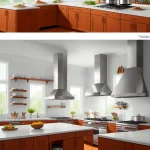
Maximizing Space and Style: Smart Remodeling Solutions for Small Kitchens and Bathrooms
The Art of Small Space Transformation
In the realm of home design, the challenge of maximizing space without sacrificing style is a perennial concern, particularly for homeowners and renters grappling with diminutive kitchens and bathrooms. These essential spaces often present the greatest design hurdles, demanding innovative solutions that transcend mere functionality. This guide delves into the art of transforming cramped quarters into stylish, efficient havens, offering actionable strategies for even the most constrained budgets. We’ll explore space-saving design principles, ingenious storage solutions, and lighting techniques that create the illusion of spaciousness, proving that size is no barrier to sophistication.
For those embarking on a small kitchen remodel or a small bathroom remodel, the initial hurdle is often psychological: accepting the limitations while simultaneously envisioning the possibilities. Consider the transformation of a cramped galley kitchen into a bright, functional space through strategic use of vertical storage and multifunctional furniture. Similarly, a tiny bathroom can be reimagined with a corner shower and wall-mounted sink, instantly freeing up valuable floor space. These aren’t just cosmetic changes; they’re fundamental shifts in how we interact with our homes.
Budget renovation doesn’t necessitate sacrificing quality or aesthetics. By focusing on key areas – such as updating outdated fixtures or optimizing storage – homeowners can achieve significant impact without breaking the bank. Exploring options like refacing cabinets instead of replacing them entirely, or sourcing discounted materials from salvage yards, can yield substantial savings. The key is to prioritize essential upgrades and creatively address cosmetic improvements through DIY projects. Ultimately, successful small space living hinges on a holistic approach that integrates thoughtful design, clever storage, and a willingness to embrace innovative solutions. Whether it’s maximizing every inch of a galley kitchen or creating a spa-like oasis in a compact bathroom, the principles outlined in this guide will empower you to transform your small spaces into stylish and functional reflections of your personal taste. The goal is to demonstrate that even the most challenging spatial constraints can be overcome with creativity and careful planning.
Mastering Space-Saving Layouts and Design Principles
The foundation of any successful small kitchen or bathroom remodel lies in optimizing the layout. Galley kitchens, with their efficient use of linear space, are ideal for narrow areas. Consider a U-shaped kitchen to maximize counter space and storage in a slightly larger footprint. In bathrooms, corner showers are a game-changer, freeing up valuable floor space. Wall-mounted toilets and sinks also contribute to a more open feel. The key is to think vertically and embrace the principles of minimalist design, prioritizing essential elements and eliminating clutter.
An expert tip: Carefully measure your space and create a detailed floor plan before making any purchases. Optimizing layouts in a small kitchen remodel often involves rethinking the traditional work triangle. Instead of rigidly adhering to the sink-stove-refrigerator configuration, consider a linear or parallel arrangement, especially in galley kitchens. Smart space-saving design incorporates elements like pull-out pantries and narrow islands with built-in storage to maximize every inch. For example, a custom-built island with a butcher block top can serve as a food preparation area, dining surface, and storage unit, effectively combining multiple functions into a single piece.
When planning a budget renovation, prioritizing layout changes can yield a higher return on investment than purely cosmetic upgrades. In the realm of small bathroom remodel projects, the strategic placement of fixtures is paramount. A corner shower, for instance, not only saves space but can also create a more open and airy feel, especially when paired with frameless glass doors. Wall-mounted sinks and toilets further enhance this effect by freeing up floor space and creating the illusion of greater square footage.
Consider incorporating a floating vanity, which provides storage while maintaining a light and uncluttered aesthetic. Furthermore, carefully planned lighting techniques can significantly impact the perceived size of the room. Recessed lighting, combined with a well-placed vanity light, can brighten the space and minimize shadows, making it feel larger and more inviting. Embracing multifunctional furniture is another crucial aspect of maximizing space in both kitchens and bathrooms. A storage ottoman in a bathroom can provide seating while also concealing toiletries or extra towels.
In a small kitchen, a dining table with built-in storage underneath can serve as both a workspace and a dining area. Vertical storage solutions, such as tall, narrow cabinets or shelving units, are essential for utilizing unused wall space. Consider incorporating pull-down shelves or spice racks to maximize accessibility and organization. The goal is to create a space that is both functional and aesthetically pleasing, where every element serves a purpose and contributes to the overall sense of spaciousness.
Multifunctional Furniture and Fixtures: Double Duty Design
In compact spaces, furniture and fixtures must pull double duty, transforming from mere objects into strategic assets. Storage ottomans, for example, offer comfortable seating while discreetly concealing extra towels or kitchen essentials. Wall-mounted sinks are not only space-saving design marvels, essential for any small bathroom remodel, but also contribute to a sleek, modern aesthetic, creating an illusion of spaciousness. A mirrored medicine cabinet is another classic example, maximizing storage without encroaching on valuable floor space.
According to architect Sarah Miller, specializing in small space living, ‘Every element should serve multiple purposes. Think vertically – utilize wall space with narrow shelving or cabinets to keep countertops clear and create a sense of order.’ In the small kitchen remodel, a rolling island exemplifies multifunctional furniture at its finest. It provides extra counter space and storage when needed, and then can be tucked away, preserving precious floor area. Consider furniture with built-in storage solutions, such as beds with drawers underneath or coffee tables with lift-top storage compartments.
Beyond furniture, even appliances can be chosen with an eye toward efficiency. Compact, multi-function appliances, like a combination microwave and convection oven, can free up valuable counter space. Furthermore, exploring options like a galley kitchen layout, known for its efficient use of linear space, can optimize workflow without requiring a large footprint. These design choices are particularly important for a budget renovation, where maximizing utility per square foot is paramount. To further enhance space efficiency, consider the transformative power of vertical storage.
Tall, narrow shelving units can house everything from pantry staples to bathroom toiletries, drawing the eye upward and creating a sense of height. In the bathroom, a corner shower is an excellent space-saving alternative to a traditional bathtub, freeing up valuable floor space. Lighting techniques also play a crucial role. Strategically placed lighting, such as under-cabinet lighting in the kitchen or recessed lighting in the bathroom, can brighten up dark corners and make the space feel larger and more inviting. By embracing these multifunctional solutions and clever design strategies, even the smallest spaces can be transformed into stylish and highly functional environments.
Smart Storage Solutions: Verticality and Organization
Smart storage solutions are the unsung heroes of small space design, particularly crucial in a small kitchen remodel or small bathroom remodel. The strategic implementation of these solutions transforms cramped and cluttered areas into organized and efficient spaces. Pull-out shelves in kitchen cabinets, for example, revolutionize access to items stored deep within, eliminating the frustration of rummaging through layers of cookware or pantry staples. These shelves maximize every inch of cabinet space, making it easier to locate and retrieve items, ultimately saving time and reducing food waste.
Similarly, innovative drawer dividers create customized compartments for utensils, gadgets, and other kitchen essentials, preventing clutter and promoting a more streamlined cooking experience. These seemingly small changes contribute significantly to the overall functionality and aesthetic appeal of a small kitchen. Vertical storage is another cornerstone of space-saving design, especially in areas where floor space is limited. Tall, narrow cabinets or shelving units exploit unused wall space, providing ample storage without encroaching on valuable floor area.
In the kitchen, these vertical solutions can house everything from canned goods and spices to cookbooks and serving dishes. In the bathroom, they offer a stylish and practical way to store towels, toiletries, and decorative items. Over-the-door organizers offer another clever strategy, particularly useful for storing toiletries, cleaning supplies, or even accessories. These organizers maximize otherwise unused space, keeping essential items within easy reach while maintaining a clutter-free environment. When planning a budget renovation, consider that maximizing existing space is far more cost-effective than expanding the room’s footprint.
To further optimize storage, consider multifunctional furniture and fixtures that offer hidden storage compartments. A mirrored medicine cabinet in a small bathroom remodel, for example, provides essential storage without sacrificing valuable wall space. Floating shelves above the toilet offer a stylish and practical solution for displaying decorative items and storing extra towels. In the kitchen, a magnetic knife strip frees up counter space and keeps knives safely and conveniently accessible. The key to successful small space living is to ensure that every item has a designated place. By implementing these smart storage solutions, homeowners can transform their small kitchens and bathrooms into organized, functional, and aesthetically pleasing spaces, regardless of their square footage. These solutions, combined with strategic lighting techniques, can create the illusion of spaciousness even in the most compact areas.
Illuminating Space: Lighting Techniques for Spaciousness
Illuminating a small kitchen or bathroom is paramount to enhancing the perception of spaciousness, transforming potentially cramped areas into inviting and functional zones. Effective lighting techniques go beyond simple illumination; they involve a strategic interplay of natural and artificial light sources to maximize brightness and minimize shadows. Begin by optimizing natural light. Ensure windows are clean and free from obstructions like heavy curtains or blinds that can diminish the amount of sunlight entering the space.
Consider replacing solid doors with glass-paneled ones to borrow light from adjacent rooms. This foundational step sets the stage for a layered lighting approach, crucial for a successful small kitchen remodel or small bathroom remodel. Artificial lighting should then be carefully considered to supplement and enhance natural light. Recessed lighting remains a popular choice for general ambient illumination, providing a clean and unobtrusive solution that doesn’t encroach on valuable headroom. However, don’t rely solely on overhead lighting, which can create harsh shadows.
Under-cabinet lighting is essential for illuminating countertops in the kitchen, making food preparation safer and more enjoyable. In the bathroom, consider vanity lighting positioned at eye level to minimize shadows and provide even illumination for grooming. Explore innovative lighting fixtures that contribute to the space-saving design, such as integrated LED strips within shelves or mirrors. Thoughtful application of lighting techniques is an integral part of any budget renovation. Beyond functionality, lighting offers opportunities to enhance the aesthetic appeal of a small space.
Install dimmer switches to adjust the intensity of light, creating different moods for various times of day or activities. Warmer light temperatures (around 2700-3000K) create a cozy and inviting atmosphere, while cooler temperatures (3500-4000K) provide a more energetic and focused environment. Mirrors strategically placed to reflect light can significantly amplify brightness and create the illusion of a larger space. Consider using mirrored backsplashes in the kitchen or large mirrors in the bathroom to maximize this effect. When selecting lighting fixtures, opt for designs that complement the overall style of the room, whether it’s modern, traditional, or eclectic. The right lighting choices can elevate the entire look and feel of a small kitchen or bathroom, making it feel more spacious, comfortable, and stylish.
Material Selection: Optimizing Space and Aesthetics
Material selection is paramount in small spaces, acting as both a functional necessity and a visual amplifier. Light colors inherently reflect light, making a room feel larger and more open, a crucial advantage in a small kitchen remodel or a compact bathroom. Conversely, dark colors absorb light, potentially making the space feel smaller and even claustrophobic. Therefore, opting for light-colored paint, such as off-whites, creams, or light grays, for walls and ceilings is a foundational strategy.
Similarly, selecting light-toned tiles for backsplashes and flooring, along with countertops in materials like light quartz or marble, can significantly enhance the perception of spaciousness. In contrast, strategic use of dark accents, like a navy-blue island in a mostly white galley kitchen, can add depth and visual interest without overwhelming the space. Reflective surfaces are equally vital in maximizing the sense of space. Mirrors, of course, are the quintessential tool, capable of visually doubling a room’s size.
A large mirror above a bathroom vanity or a mirrored backsplash in a small kitchen can work wonders. Glossy finishes on cabinets or tiles also contribute to this effect, bouncing light around the room and creating a brighter, more airy atmosphere. Consider incorporating stainless steel appliances in a small kitchen, not only for their modern aesthetic but also for their reflective properties. Glass shower doors, as opposed to opaque shower curtains, maintain visual continuity and prevent the bathroom from feeling segmented.
The goal is to create a seamless flow of light and visual elements, minimizing any sense of confinement. Beyond color and reflectivity, the size and texture of materials play a crucial role. Large-format tiles, for instance, are an excellent choice for both kitchen and bathroom floors, as they minimize grout lines, creating a cleaner, more seamless look that visually expands the space. The fewer the visual interruptions, the larger the room feels. When selecting textures, opt for smooth surfaces that reflect light, rather than heavily textured materials that can absorb it. Durability and ease of maintenance are also essential considerations. Choose materials that can withstand the wear and tear of daily use and are easy to clean, such as quartz countertops, porcelain tiles, and moisture-resistant paint. As interior designer Sarah Miller advises, ‘In small space living, every material choice matters. It’s about creating a harmonious balance between aesthetics, functionality, and durability to transform a potentially cramped area into a welcoming and stylish haven.’
Budget-Friendly Renovation Strategies: Smart Spending, Big Impact
Renovating a small kitchen or bathroom doesn’t have to break the bank. Focus on DIY projects, such as painting, installing new hardware, or adding shelving. Shop for discounted materials at salvage yards or online retailers. Consider refacing existing cabinets instead of replacing them. Prioritize essential upgrades and postpone less critical projects. Look for sales and promotions on appliances and fixtures. A budget-friendly tip: Repurpose existing furniture or accessories to save money. With careful planning and a little creativity, you can achieve a stylish and functional renovation without exceeding your budget.
When embarking on a small kitchen remodel or small bathroom remodel on a budget, meticulous planning is paramount. Begin with a comprehensive inventory of your existing space, identifying areas of inefficiency and potential for improvement. Prioritize needs versus wants, focusing on essential upgrades that maximize functionality and aesthetic appeal. For instance, instead of completely replacing cabinets, consider a fresh coat of paint and new hardware to achieve a significant transformation at a fraction of the cost.
Explore cost-effective space-saving design solutions, such as installing pull-out shelves or utilizing vertical storage to optimize existing cabinet space. Remember, a well-defined plan is the cornerstone of a successful and budget-conscious renovation. Exploring creative alternatives can significantly reduce costs in a budget renovation. Consider incorporating multifunctional furniture, particularly in a small kitchen where space is at a premium. A kitchen island with built-in storage can serve as both a workspace and a storage solution, eliminating the need for additional cabinets.
In a small bathroom, a wall-mounted sink not only saves space but also creates a modern, minimalist aesthetic. Opting for a corner shower instead of a traditional bathtub can free up valuable floor space, making the bathroom feel more open and airy. Salvage yards and online marketplaces are excellent resources for finding discounted materials and unique fixtures, adding character to your renovation while staying within budget. Embrace resourcefulness and creativity to achieve a stylish and functional space without overspending.
Strategic lighting techniques can dramatically enhance the perception of space in a small room without requiring extensive remodeling. Maximize natural light by keeping windows clean and unobstructed. Supplement natural light with strategically placed artificial lighting, such as recessed lighting or under-cabinet lighting, to brighten dark corners and create a more inviting atmosphere. Consider installing a dimmer switch to adjust the lighting according to your needs and preferences. Mirrors are another effective tool for creating the illusion of spaciousness, reflecting light and making the room feel larger. By carefully considering lighting and reflection, you can transform a cramped space into a bright and airy haven, all while adhering to a strict budget.
Inspiration in Action: Before-and-After Transformations
Before-and-after examples serve as powerful inspiration for small space remodels, offering tangible proof of what’s achievable even within the most challenging footprints. One compelling example showcases a cramped galley kitchen transformed into a bright and airy space. The original dark, dated cabinets were replaced with sleek, white, shaker-style cabinets, instantly expanding the perceived volume of the room. Stainless steel appliances not only added a modern touch but also reflected light, further enhancing the sense of spaciousness.
The addition of a mirrored backsplash was a stroke of genius, visually doubling the counter space and creating a focal point. This transformation underscores the impact of strategic material selection and space-saving design in a small kitchen remodel. Another striking example features a tiny, dysfunctional bathroom reimagined into a spa-like retreat. The original space felt claustrophobic due to an oversized tub and bulky vanity. The remodel incorporated a corner shower with glass doors, immediately freeing up valuable floor space.
A wall-mounted sink with minimalist lines replaced the cumbersome vanity, creating a more open and airy feel. Floating shelves provided storage without visually weighing down the room. Thoughtful lighting techniques, including recessed lighting and a strategically placed vanity light, banished shadows and enhanced the sense of spaciousness. This small bathroom remodel demonstrates the power of thoughtful planning and the use of multifunctional furniture. These transformations underscore the profound impact of smart design choices on the functionality and aesthetics of small spaces. Seeing is believing, and these success stories prove that even the smallest spaces can be stylish and functional havens. Moreover, these renovations often incorporate budget renovation strategies, proving that impactful change doesn’t necessarily require a fortune. For instance, refacing existing cabinets or opting for cost-effective vertical storage solutions can dramatically improve a small kitchen or bathroom without breaking the bank. The key is to prioritize essential upgrades and to embrace creative, space-saving design solutions.
Conclusion: Small Space, Big Style
Maximizing space and style in small kitchens and bathrooms requires a blend of creativity, careful planning, and smart design choices. By embracing space-saving design principles like efficient layouts, multifunctional furniture, smart storage solutions, strategic lighting techniques, and thoughtful material selection, homeowners and renters can transform cramped quarters into stylish and functional havens. Whether you’re undertaking a full-scale renovation or making simple upgrades, the principles outlined in this guide will empower you to create a space that reflects your personal style and meets your everyday needs.
Remember, size is no limitation to achieving a beautiful and efficient home. The key is to view a small kitchen remodel or small bathroom remodel not as a constraint, but as an opportunity to showcase ingenuity and resourcefulness. Budget renovation doesn’t necessarily mean sacrificing quality or aesthetics. Thoughtful planning and a focus on high-impact changes can yield remarkable results. Consider, for example, refreshing existing cabinets with new hardware and a coat of paint, or investing in a single, statement-making appliance.
Prioritizing functionality is also crucial; opting for a galley kitchen layout in a narrow space or a corner shower in a compact bathroom can dramatically improve usability. Furthermore, exploring options like wall-mounted sinks and vertical storage solutions maximizes every available inch, transforming previously unusable areas into valuable assets. Ultimately, the success of any small space renovation hinges on a commitment to thoughtful design and meticulous execution. It’s about curating a space that not only meets your practical needs but also reflects your personal aesthetic. By embracing innovative solutions and prioritizing both form and function, you can transform even the most diminutive kitchen or bathroom into a stylish and inviting sanctuary. The right lighting techniques, coupled with clever storage and multifunctional furniture, can make a small space feel significantly larger and more luxurious than its square footage suggests.